
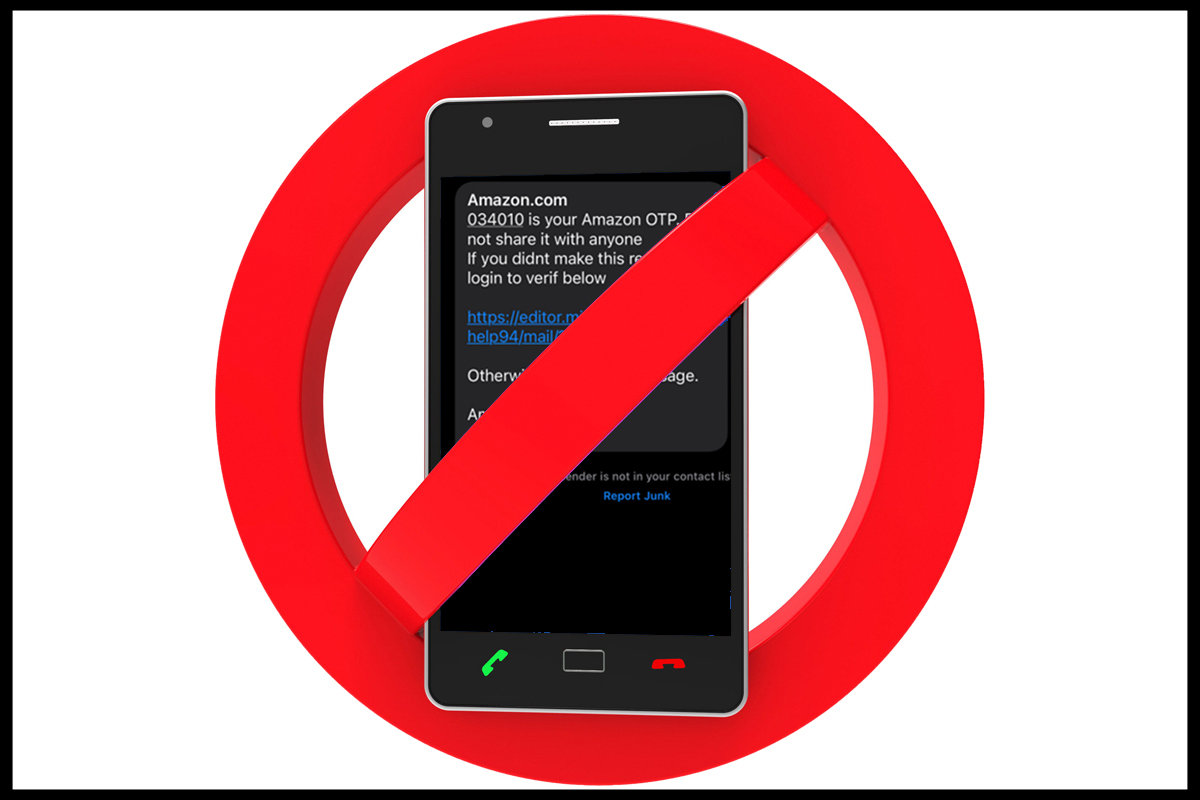
Cybercriminals are always looking for ways to go “phishing” for your personal information. Their latest tactics are text message and scams, called “Smishing”. Yep, it’s a real word.
Smishing, or SMS phishing, is when a cybercriminal sends you text messages claiming to be from a reputable company, organization or person to convince you to reveal sensitive information like passwords, credit card numbers and more.
Say you’re busy working and your phone buzzes. Or you’re chasing a toddler around the house while simultaneously making dinner and your phone emits a loud ping.
You’ve received a text saying your phone bill is late and a link to pay it quickly. But… this text could actually be a scam. Smishing is on the rise.
In 2021, consumers lost $131 million as a result of smishing attacks.
You can help readily protect yourself against smishing scams by remembering to:
- Beware of payment requests - Ask yourself if it’s typical for this company, service or person to send you a text message.
- Pause before responding - If you’re in a rush, you could miss the potential warning signs of a cyberattack.
- Look closely at the text - Like most phishing attempts, mistakes in the message can alert you to the fraud attempt. Common signs include: the sender doesn’t have the correct amount of digits in their number, words are misspelled and/or the link URL does not match the alleged source of the text.
- Do not respond - Trust your gut if something seems off or if you have any doubts about who sent the text.
- Follow-up separately - If the text appears legitimate, but you still aren’t 100% sure, try to verify its authenticity. Visit the website of the alleged sender and give them a call at the number listed. Or log in to your account (not from the link!!) to view your payment status.
Always be cautious, double-check requests and utilize these tips when handling suspicious messages. With any questions, feel free to reach us at Cyber Command.